
32nd Commemoration of the 1994 Genocide against the Tutsi at Kiziguro Genocide Memorial

On 24 April 2026, the National Council for Science and Technology (NCST), in collaboration with its partners (EASTECO, UGHE, AIMS, and NCST Funded Project PIs), organized the 32nd commemoration of the 1994 Genocide against the Tutsi in Rwanda. The commemoration took place at the Kiziguro Genocide Memorial Site in Gatsibo District and brought together NCST staff, stakeholders, local authorities and survivors to honor the memory of the victims and reflect on Rwanda’s history.
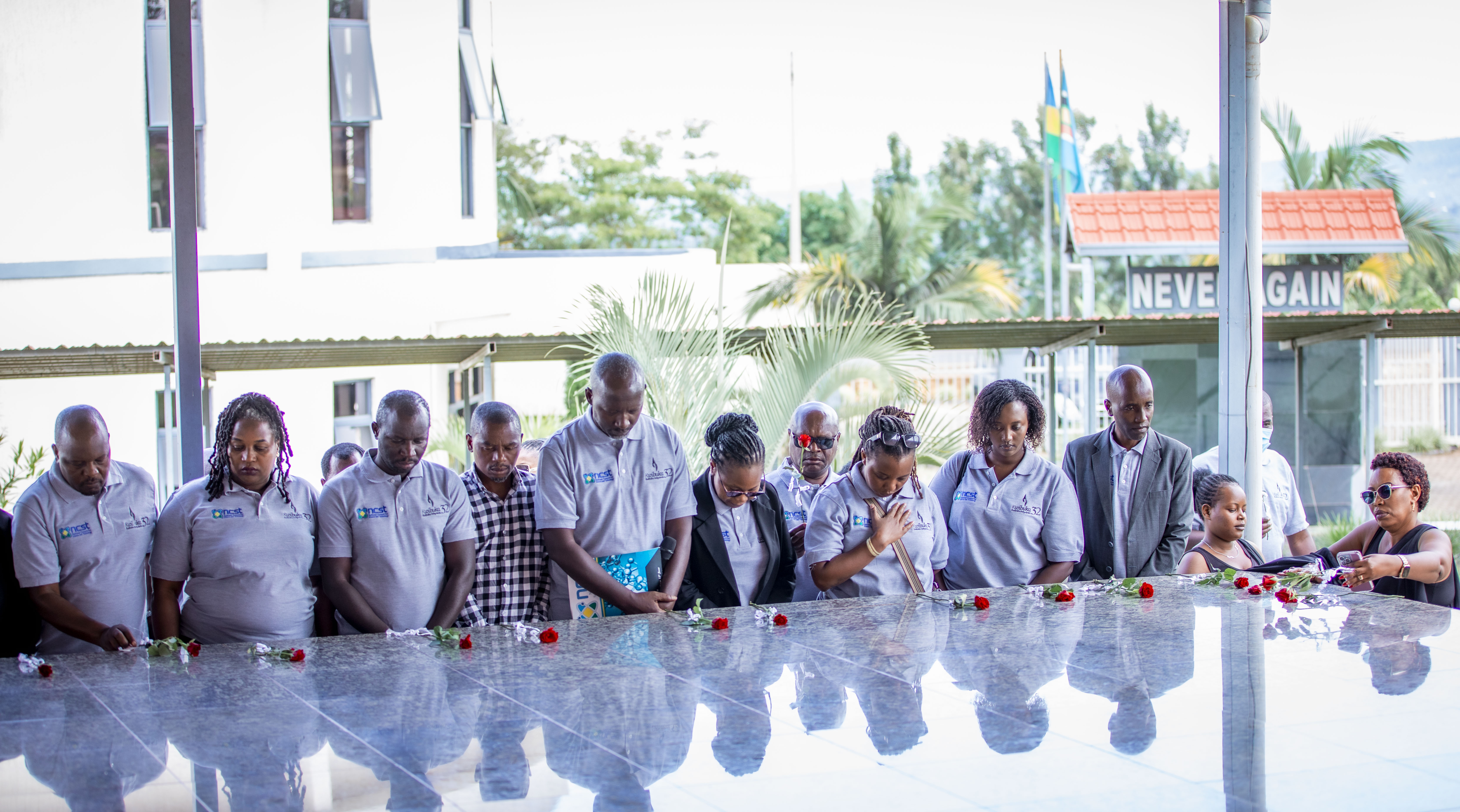 The program began with a visit to the Kiziguro Genocide Memorial, where participants paid their respects to the victims by laying wreaths and observing a moment of silence. A guided remembrance walk retraced the tragic journey taken by victims from Kiziguro Catholic Church where many people were killed to the memorial site, where thousands were brutally murdered and thrown into mass graves. It was recalled that over 126,000 victims were killed in just one week in this area, illustrating the extreme scale and intensity of the atrocities committed.
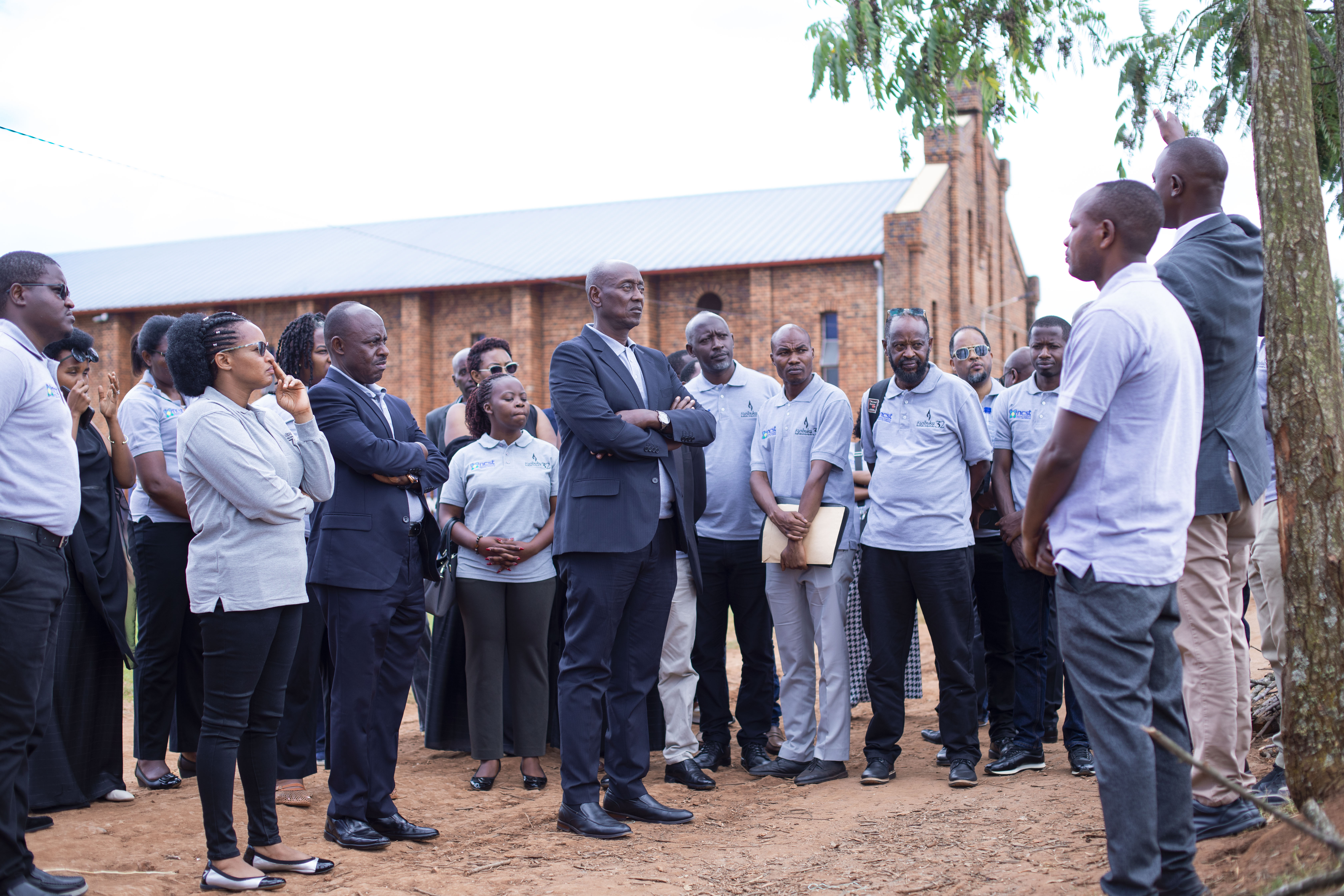
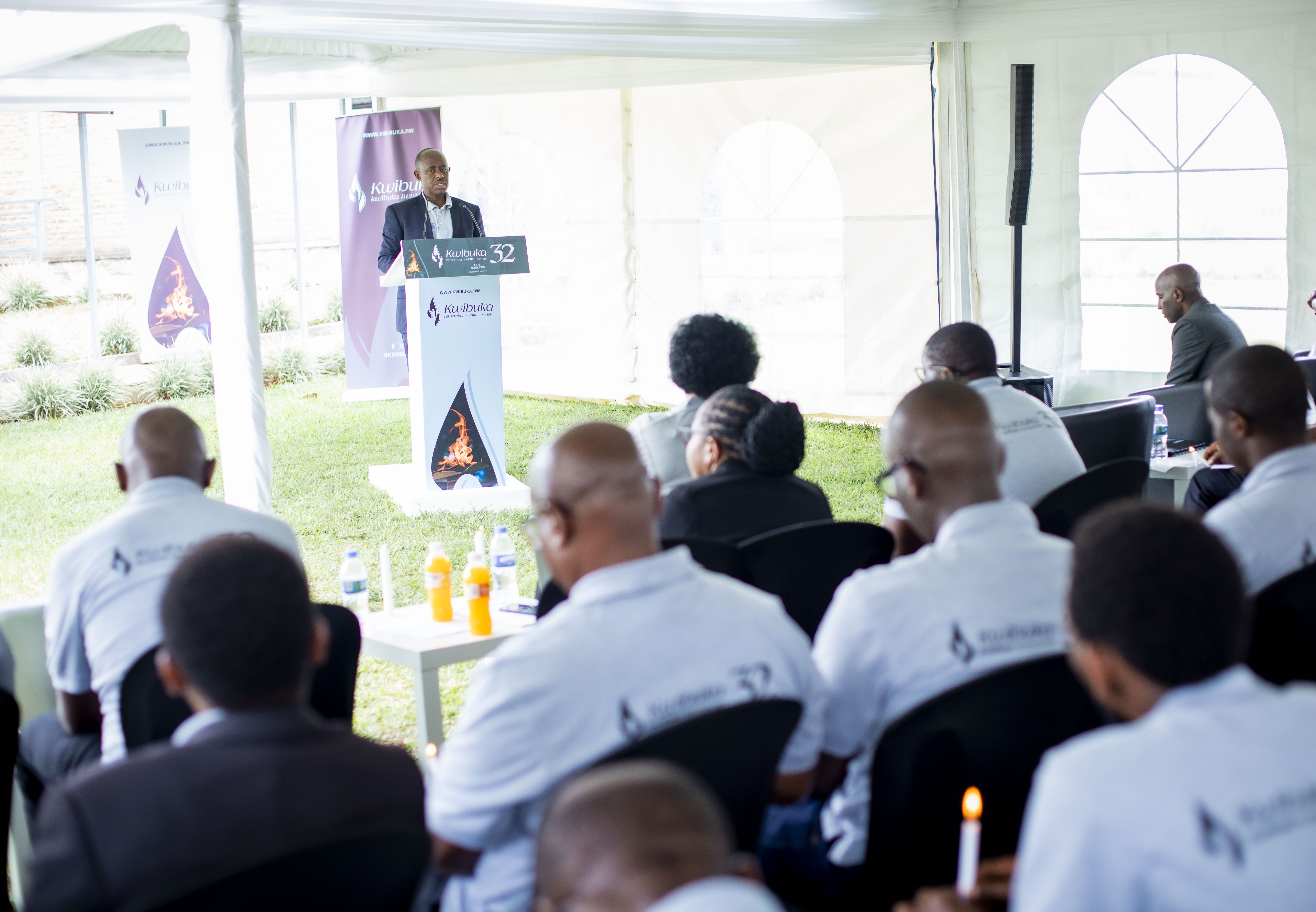
During the dialogue session, various speakers provided historical insights and reflections. Mr. Uwimana Jean Nepo, President of Ibuka in Gatsibo District, explained how the genocide was systematically prepared over time. He emphasized the importance of preserving this history and ensuring that future generations understand the truth. Similarly, Mr. Sibomana Jean Nepo, in a presentation prepared by MINUBUMWE, elaborated on the roots and execution of the genocide, calling on all Rwandans to actively fight genocide ideology and divisionism, particularly by leveraging modern technology.
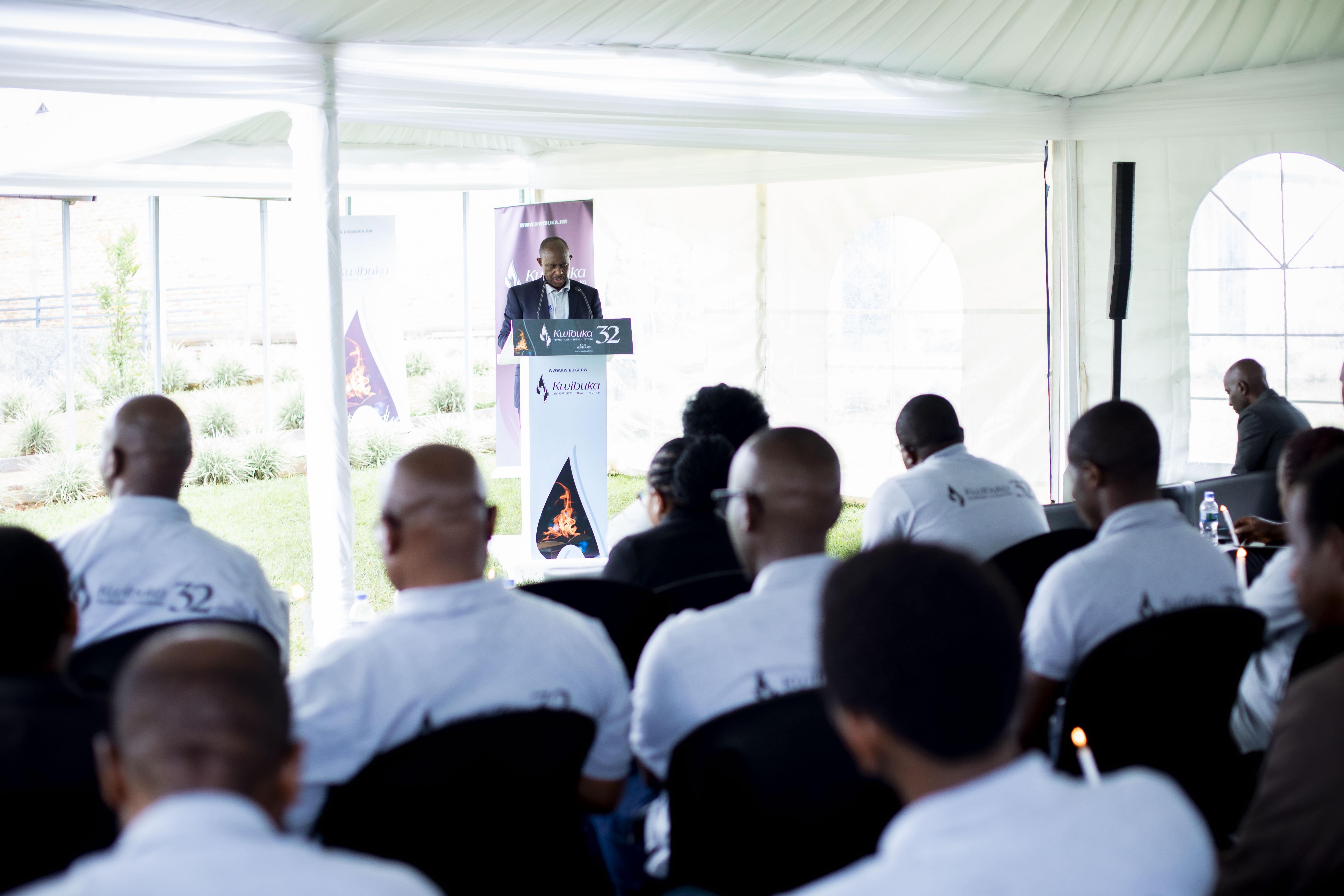
The Vice Mayor in charge of Social Affairs in Gatsibo District, in her welcome fremarks, highlighted ongoing efforts to preserve genocide memory, including collaboration with the Catholic Church to install markers and information at the Kiziguro church to document the crimes that occurred there. She also called upon NCST to play a greater role in safeguarding genocide memory through science and technology, especially by using digital platforms and social media to counter denial and distortion of history.
A moving testimony from a genocide survivor further deepened the emotional significance of the event, reminding participants of the human cost of hatred and the resilience of survivors. The lighting of the “Flame of Hope” symbolized remembrance, resilience, and the collective commitment to unity and reconciliation.
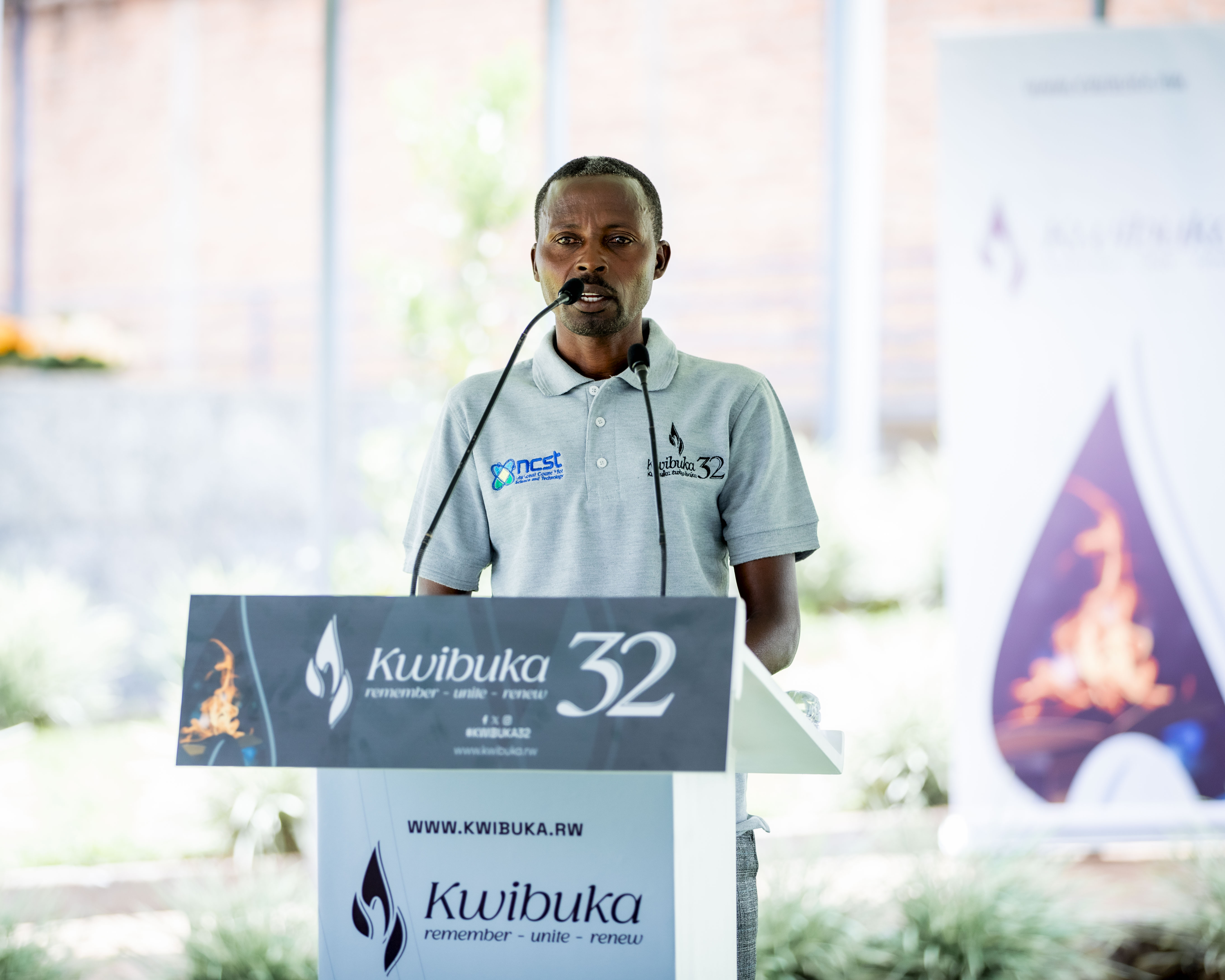
In his closing remarks, the Executive Secretary of NCST emphasized that commemoration is not only about remembering the past but also about building a future grounded in unity, peace, and sustainable development. He paid tribute to the bravery of the former RPF soldiers, now RDF, whose intervention stopped the genocide and restored hope to the nation. He also reiterated NCST’s commitment to integrating science and technology with human values, including the preservation of historical truth.
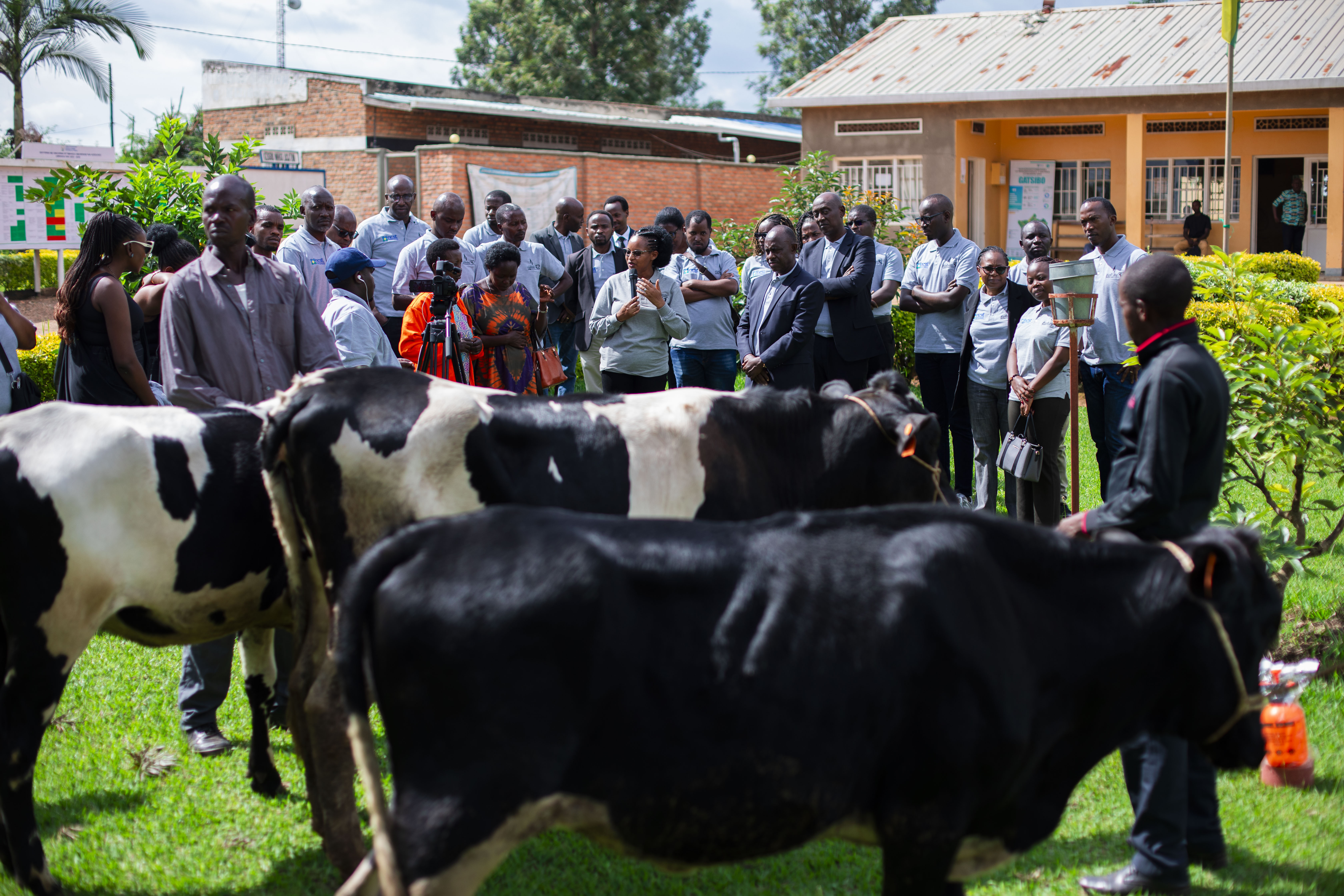
As part of supporting vulnerable genocide survivors, three survivors were each provided with a cow, symbolizing a contribution to their well-being and sustainable livelihood. This act reflects Rwanda’s continued commitment to restoring dignity and supporting survivors.
 The event concluded with a renewed call to all participants, especially the youth, to learn from history, reject divisionism, and actively contribute to building a united and resilient Rwanda. The message was clear: remembering the past is a shared responsibility, and safeguarding it is essential for ensuring that such tragedy never happens again.
Twibuke Twiyubaka – Remember, Unite, Renew.